

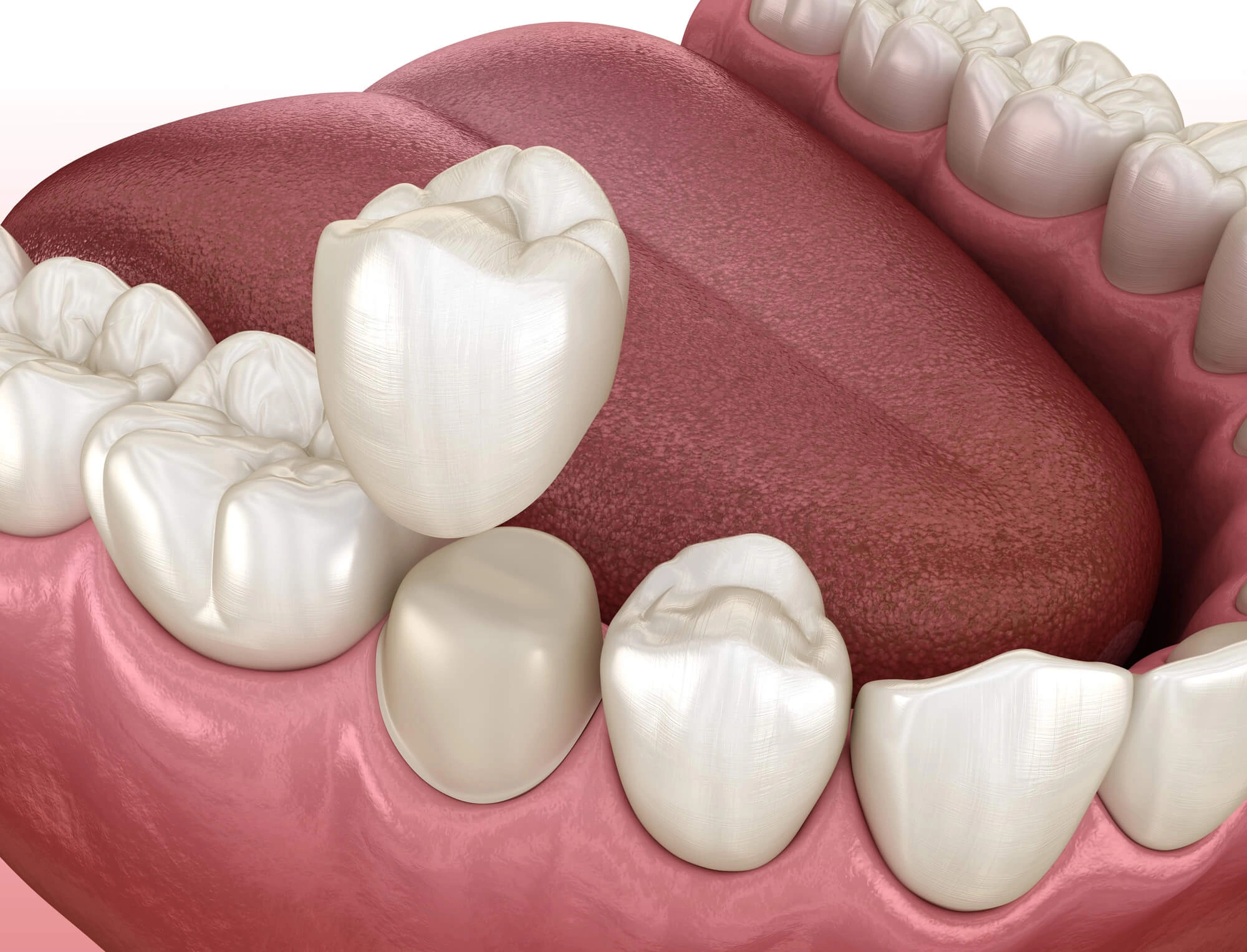
If you’re considering dental crowns in Orlando, FL, you might wonder whether a tooth with a crown is completely protected from cavities. While crowns are designed to restore and protect damaged teeth, they do not make your tooth immune to decay.
Can a Crowned Tooth Get Cavities?
Yes, a crowned tooth can still develop cavities. While the crown itself is made from durable materials like porcelain or ceramic that cannot decay, the natural tooth structure underneath and around the crown is still vulnerable.
Where Do Cavities Form on a Crowned Tooth?
Cavities typically develop at the margin—the area where the crown meets your natural tooth. This small gap can become a breeding ground for bacteria if not properly cleaned.
Common causes include:
- Poor oral hygiene
- Plaque buildup along the gumline
- Receding gums exposing the tooth root
- Improperly fitted crowns
Even a well-placed crown requires consistent care to prevent decay from forming at these edges.
Why Crowns Don’t Fully Prevent Decay
Dental crowns act as a protective cover, but they don’t seal off your tooth completely. Bacteria can still enter tiny spaces if hygiene is neglected. Over time, wear and tear or gum recession can increase the risk of exposure.
How to Prevent Cavities Under a Dental Crown
Maintain Proper Oral Hygiene
Keeping your crowned tooth clean is the most important step in preventing cavities. Make sure to:
- Brush at least twice a day using fluoride toothpaste
- Floss daily, especially around the crown edges
- Use an antibacterial mouthwash
Consistency is key to keeping bacteria from building up.
Schedule Regular Dental Checkups
Routine dental visits allow your dentist to check the condition of your crown and detect early signs of decay before they become serious problems.
Avoid Damaging Habits
Certain habits can weaken your crown and expose the underlying tooth:
- Chewing ice or hard foods
- Grinding or clenching teeth
- Using teeth as tools
Protecting your crown helps maintain a tight seal and reduces cavity risk.
Signs of Decay in a Crowned Tooth
Even with a crown, you should watch for symptoms that may indicate a problem:
Warning Signs to Look Out For
- Sensitivity to hot, cold, or sweet foods
- Pain when biting or chewing
- Swelling or redness around the gums
- A loose or shifting crown
If you notice any of these signs, it’s important to see your dentist immediately to prevent further damage.
What Happens If Decay Develops?
If a cavity forms under your crown, your dentist may need to remove the crown to treat the decay. Depending on the severity, treatment options may include:
- Filling the decayed area
- Replacing the crown
- Performing a root canal if the pulp is affected
Early detection can save both your tooth and your crown.

Protect Your Smile with Dental Crowns in Orlando, FL
If you have or are considering dental crowns in Orlando, FL, proper care and regular dental visits are essential to keeping your smile healthy and long-lasting. At Winter Park Dental, patients receive expert restorative care using advanced techniques to ensure durable, natural-looking results. Schedule your appointment today and keep your crowned teeth in excellent condition for years to come.