


Losing a tooth affects more than just your smile—it can also impact the health of your jawbone. Choosing dental implants in Winter Park, FL, is one of the most effective ways to replace missing teeth while helping maintain the strength and structure of your jaw. Unlike other tooth replacement options, dental implants stimulate the jawbone, reducing bone loss and supporting long-term oral health.
Why Does the Jawbone Shrink After Tooth Loss?
Your jawbone relies on stimulation from your tooth roots to stay healthy. Every time you bite or chew, pressure is transferred through the roots into the bone, encouraging it to maintain its density and strength.
When a tooth is lost, this stimulation disappears. Over time, the jawbone in that area begins to shrink in a process known as bone resorption. As bone loss progresses, it can affect your facial appearance, neighboring teeth, and overall oral function.
Common effects of jawbone loss include:
- Changes in facial shape and support
- Difficulty chewing certain foods
- Shifting of nearby teeth
- Increased risk of additional tooth loss
- Reduced support for future tooth replacement options
Replacing missing teeth promptly helps minimize these long-term complications.
How Dental Implants Stimulate the Jawbone
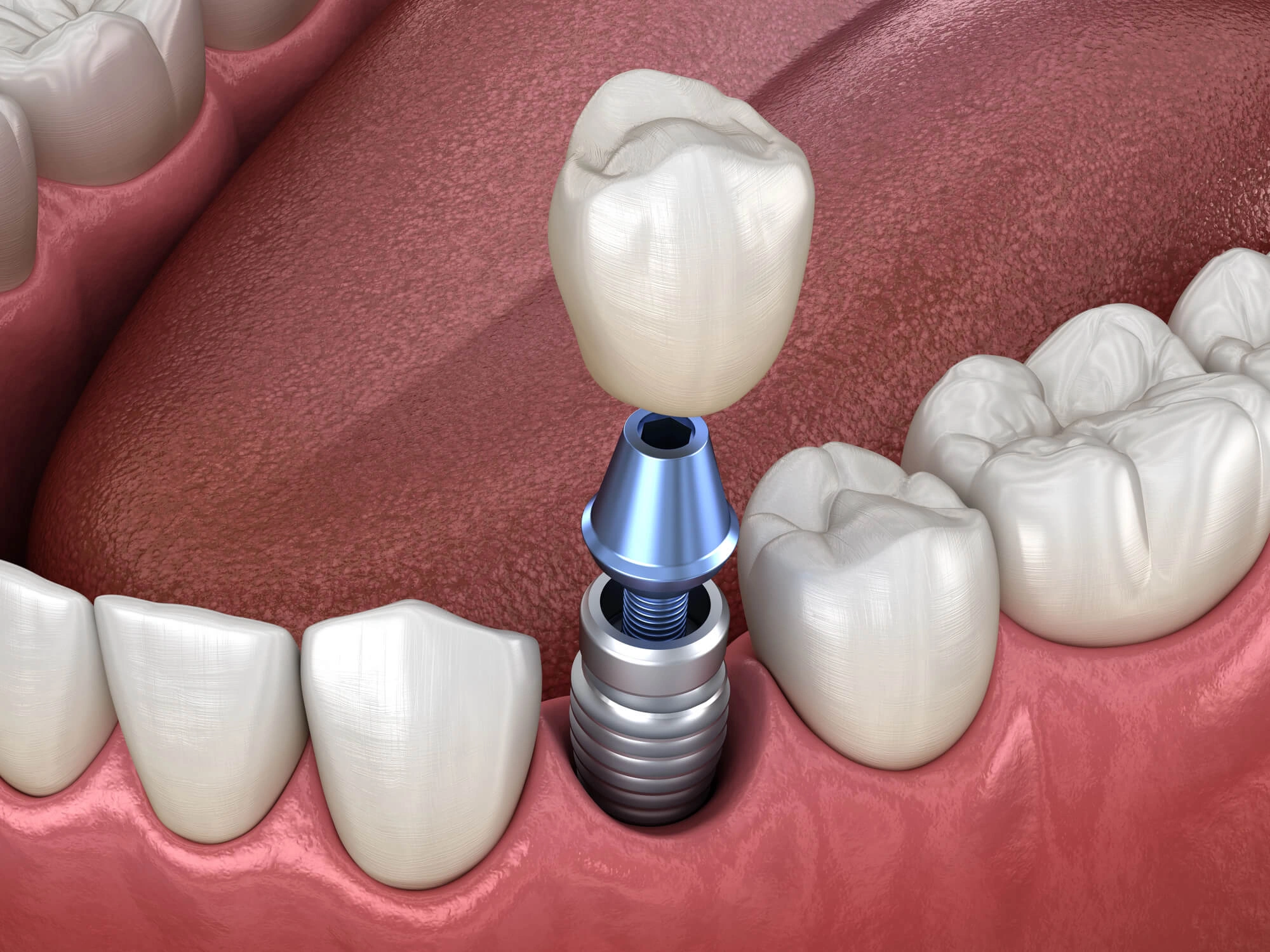
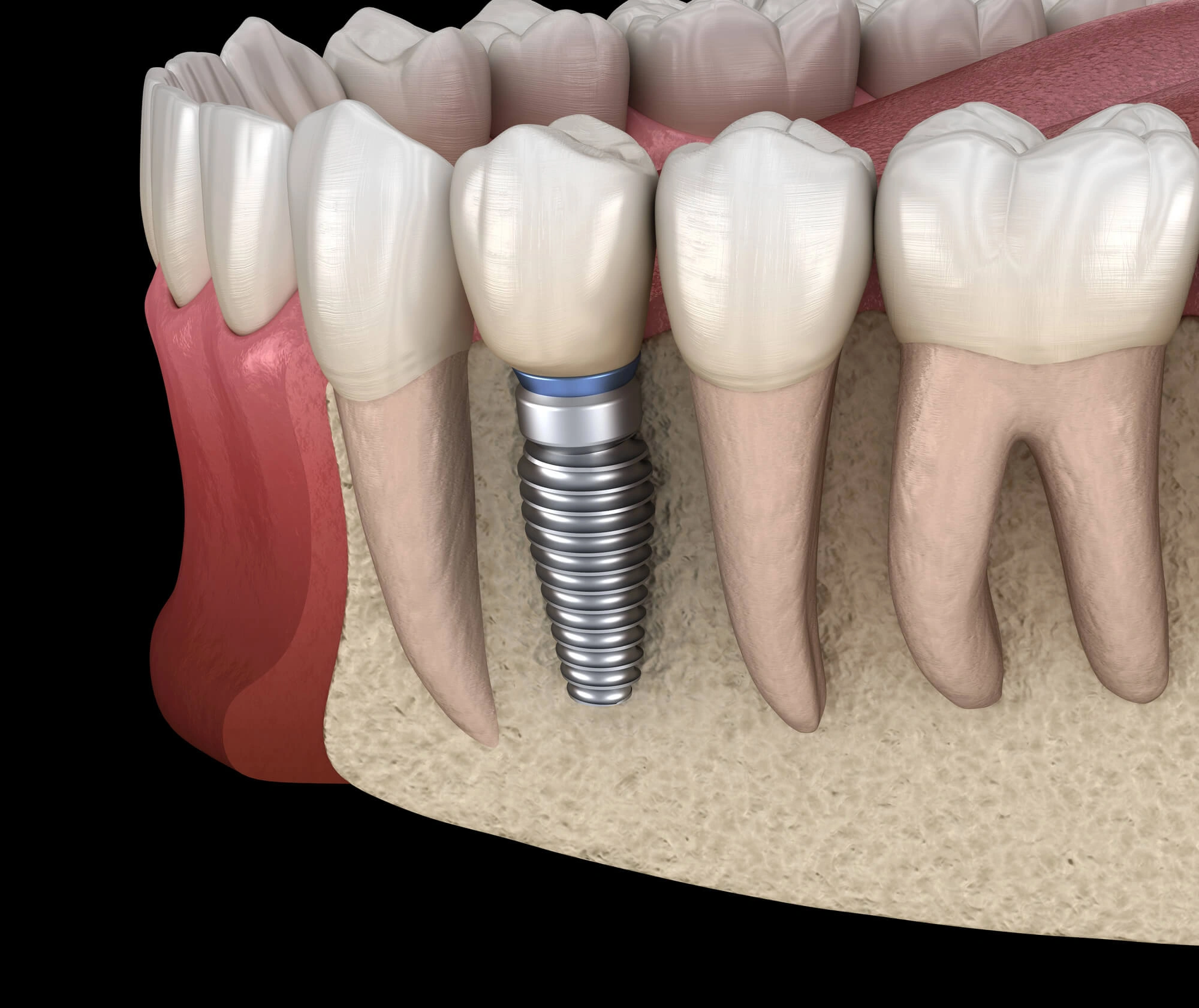
Dental implants are designed to replace both the visible portion of the tooth and its root. The implant post, typically made from biocompatible titanium, is surgically placed into the jawbone where it functions like a natural tooth root.
As the implant heals, it undergoes a process called osseointegration, where the surrounding bone fuses directly with the implant. Once integrated, everyday activities such as chewing provide the stimulation needed to help maintain bone density.
Unlike removable dentures or traditional dental bridges, dental implants actively support the jawbone rather than simply replacing the visible tooth.
Why Other Tooth Replacement Options Don't Prevent Bone Loss
Dental bridges and removable dentures restore appearance and chewing ability, but they do not replace the missing tooth root. Because the jawbone underneath remains unstimulated, bone resorption may continue even after treatment.
While these restorations can be excellent solutions for certain patients, dental implants are unique because they address both the missing tooth and the underlying bone, helping preserve the natural structure of your mouth.
Additional Benefits of Dental Implants
In addition to supporting jawbone health, dental implants provide several long-term advantages for patients missing one or more teeth.
These benefits include:
- A natural look and feel
- Improved chewing efficiency
- Clearer speech
- Long-lasting durability with proper care
- Protection against shifting neighboring teeth
- Improved facial support and appearance
- Easy maintenance through regular brushing, flossing, and professional cleanings
Because implants become securely anchored within the jawbone, they provide exceptional stability and function compared to removable alternatives.
Maintaining Healthy Dental Implants
Although dental implants cannot develop cavities, the surrounding gums and bone still require proper care. Maintaining excellent oral hygiene and attending regular dental checkups help protect the tissues supporting your implant.
Your dentist may also recommend routine professional cleanings and examinations to monitor your implant and ensure it continues functioning properly for many years.
Restore Your Smile With dental implants in Winter Park, FL
Replacing missing teeth early can help preserve your jawbone, improve oral function, and support your long-term dental health. If you're considering a permanent solution for tooth loss, Winter Park Dental can evaluate your needs and create a personalized treatment plan. Schedule a consultation today to learn how dental implants can restore your smile, strengthen your jawbone, and improve your overall quality of life.